
The Powerful Nile Crocodile
“We don’t own the planet Earth, we belong to it. And we must share it with our wildlife.”
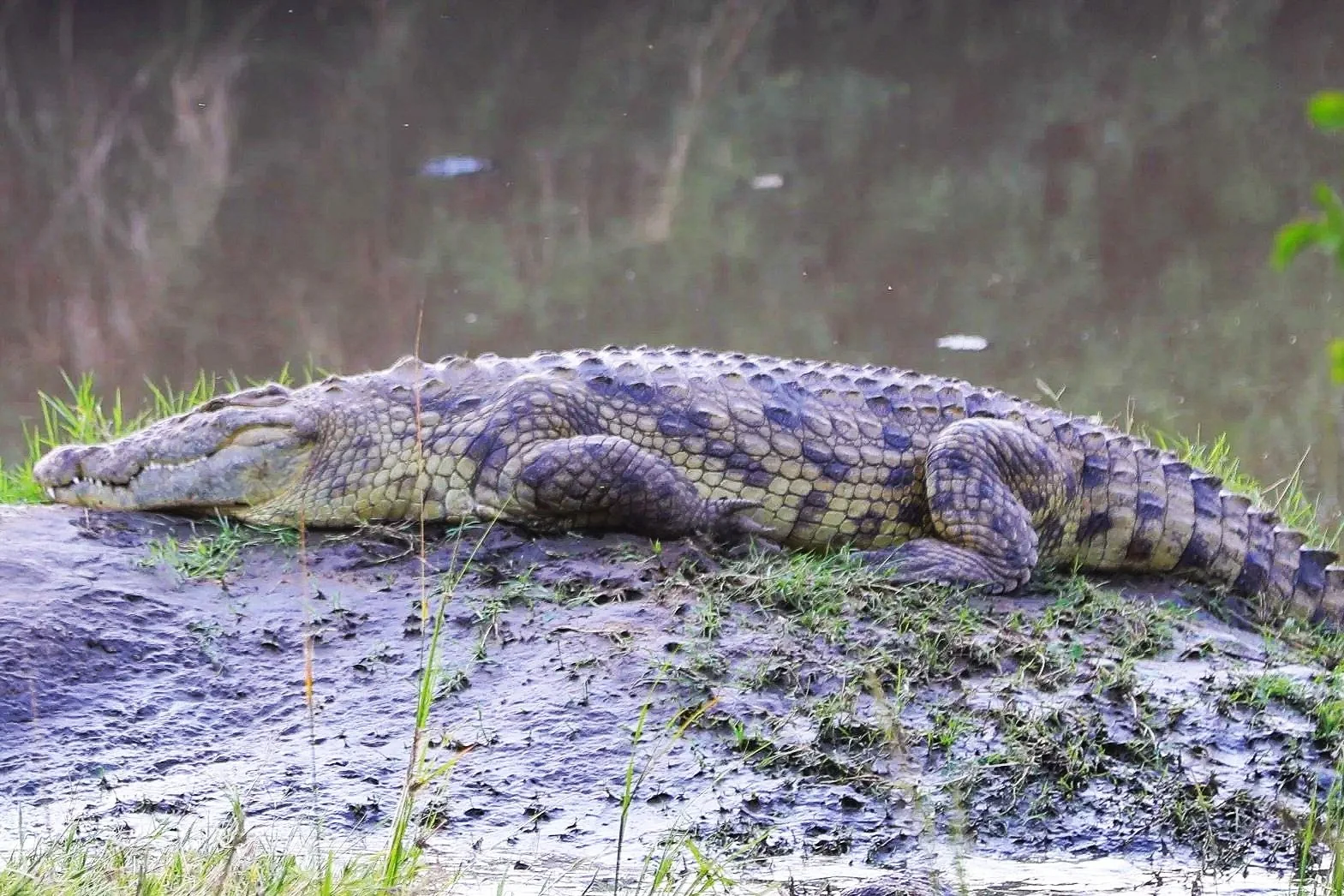
For more than 200 million years, crocodiles have remained among Earth's most successful predators. Watching a massive Nile crocodile resting quietly along a riverbank or gliding silently through the water is one of the Serengeti's most unforgettable wildlife experiences.
Photo Credit to Ivan Sabayuki
Amazing Nile Crocodile Facts
The Nile crocodile is Africa's largest reptile and one of the continent's apex predators. Adult males can exceed 16 feet (5 meters) in length and weigh more than 1,000 pounds (450 kilograms), although exceptionally large individuals may grow even bigger.
Despite their size, crocodiles are masters of patience rather than speed. They spend much of the day conserving energy before launching explosive ambushes that last only seconds. Sensitive pressure receptors around their jaws allow them to detect even tiny ripples on the water's surface, helping them locate prey even in darkness.
Their diet changes as they grow. Young crocodiles begin by eating insects, tadpoles, frogs, fish, and small crustaceans. As they mature, they take larger prey including fish, waterbirds, monitor lizards, antelope, wildebeest, zebras, and occasionally other mammals that approach the water's edge. During the Great Migration, crocodiles waiting along river crossings may remain motionless for hours before making a carefully timed strike.
Although adult Nile crocodiles have few natural enemies, hatchlings face many dangers. Fish, monitor lizards, herons, storks, eagles, marabou storks, mongooses, baboons, large fish, and even other crocodiles may prey upon young crocodiles. Very large lions, spotted hyenas, and occasionally elephants may kill adult crocodiles, although healthy adults have few predators besides humans.
Crocodiles communicate through deep bellows, hisses, growls, body postures, and vibrations across the water's surface. These sophisticated signals help establish territories, attract mates, and allow mothers and hatchlings to stay in contact.
Remarkable Crocodile Mothers
One of the Serengeti's most heartwarming wildlife moments is watching a Nile crocodile mother care for her young. After mating, the female digs a nest in sandy soil near the river and lays 20 to 80 eggs, carefully covering them to protect them from predators and the hot African sun. She remains nearby for approximately three months, guarding the nest while the embryos develop.
When the hatchlings are ready, they begin making high-pitched chirping calls from inside their eggs. Hearing these calls, the mother carefully uncovers the nest and gently lifts the babies into her mouth - one of the safest places they could be. Although her jaws are powerful enough to crush bone, she carries the tiny hatchlings with extraordinary care before releasing them into shallow water.
For several weeks, the mother continues protecting her young from predators, responding when they call and remaining close while they learn to survive. This level of parental care surprises many safari guests and challenges the common misconception that crocodiles abandon their offspring.
The best time to see Nile crocodile mothers carrying hatchlings in the Serengeti is generally from late January through March, although the exact timing varies with rainfall and local nesting conditions. Seeing a mother actually carrying babies in her mouth is quite rare because the transfer from nest to water usually lasts only a few minutes. It's much more common to see a mother closely guarding a pod of hatchlings along the riverbank, which is still an extraordinary and memorable sight.
If you're lucky enough to visit during nesting season or shortly after hatching, your guide may spot mothers accompanied by groups of tiny striped hatchlings swimming close together near sheltered riverbanks. Early morning and late afternoon are often the best times to observe this behavior from a respectful distance.
Crocodile Spotting with Moyo Tented Camp
Moyo Migration Camp Mara offers the best crocodile viewing during the Great Migration season. Located near the famous Mara River, guests may witness enormous crocodiles waiting patiently near river crossings as thousands of wildebeest and zebras make their dramatic migration. Even outside the crossing season, crocodiles can often be seen basking along the riverbanks or drifting quietly in the water.
Moyo Camp Warangi is another excellent location for crocodile sightings. Situated near the Warangi River in Central Serengeti, the surrounding river system attracts a variety of aquatic wildlife. During game drives, guests may spot crocodiles sunning themselves on sandbanks, slipping silently beneath the surface, or sharing the river with hippos, elephants, and other wildlife.
Guests staying at Moyo Camp Hembe occasionally encounter crocodiles during game drives to nearby rivers and seasonal waterways, especially when exploring different parts of Central Serengeti with Moyo's experienced local guides.
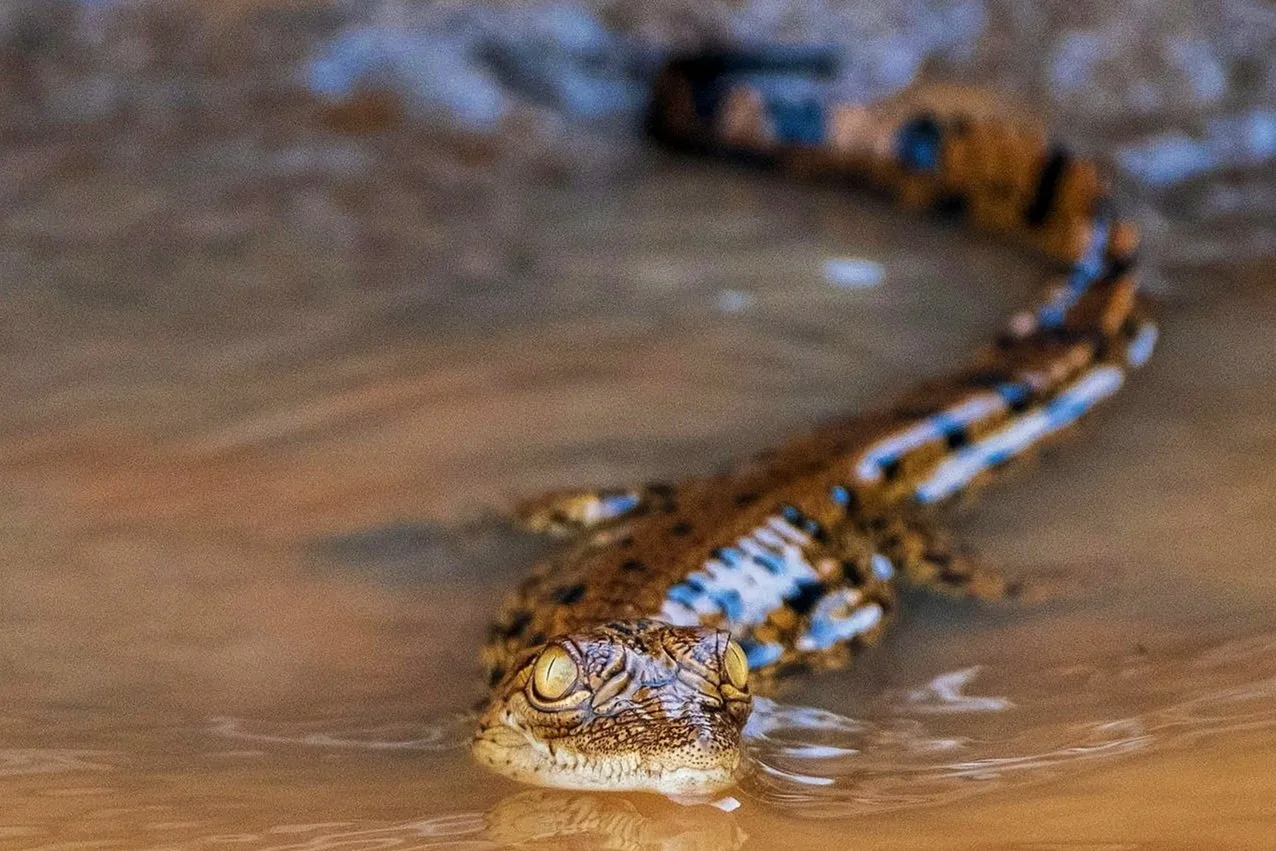
Whether you're observing a giant basking in the sun, witnessing the incredible care of a mother guarding her hatchlings, or marveling at the precision of an ambush hunter, these ancient reptiles reveal a level of intelligence, strategy, and family devotion that surprises many Moyo guests.
Photo Credit to Nichika Sakurai
Let’s go spot some crocs!